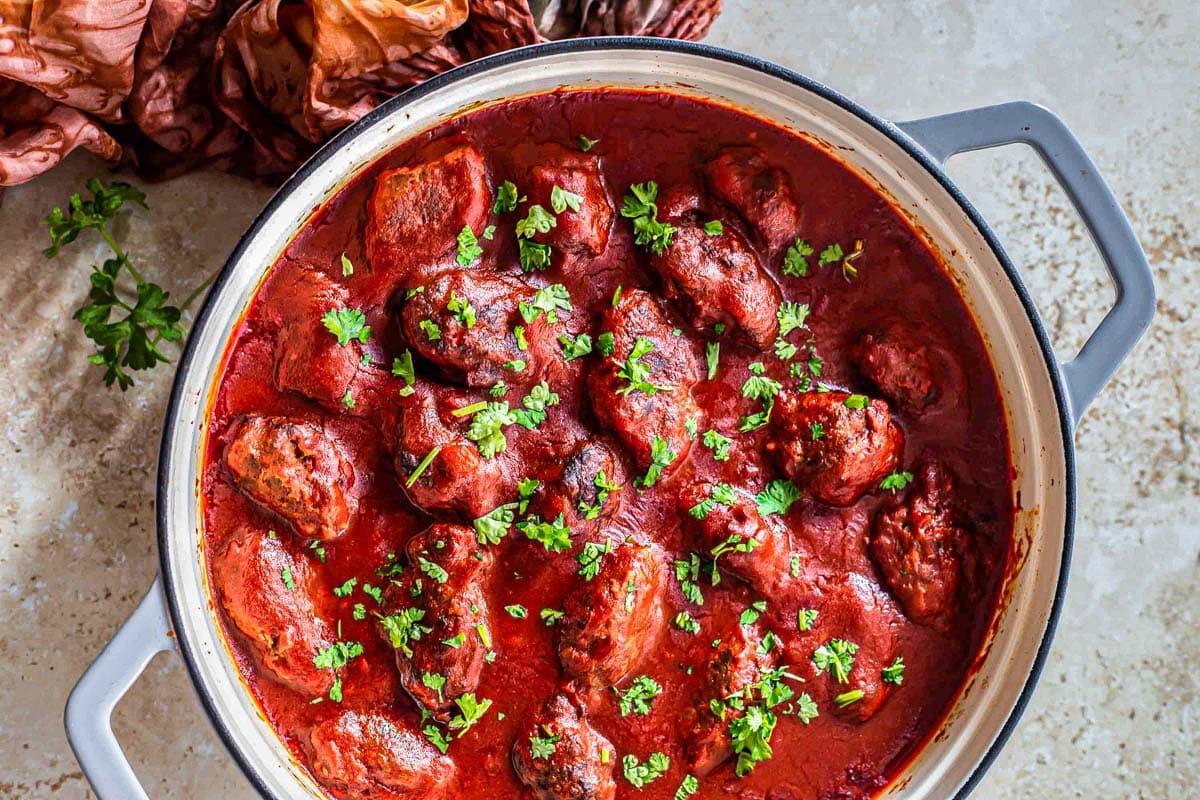
Delving into the heart of Greek comfort food often leads to a delightful discovery: greek soutzoukakia. More than just a simple meatball dish, these oval-shaped, cumin-infused delights simmered in a rich tomato sauce tell a story of migration, tradition, and culinary fusion. Known for their distinctive form and aromatic spices, Soutzoukakia offers a warming, savory experience that has captivated palates across Greece for generations. It’s a meal that promises wholesome satisfaction and a taste of history in every bite.
The Heart of Greek Cuisine: A Culinary Journey from Smyrna
The origins of greek soutzoukakia are deeply intertwined with a poignant chapter in Greek history. Originally known as Soutzoukakia Smyrneika, or Smyrna-style meatballs, this classic dish journeyed to Greece from Smyrna (modern-day Izmir, Turkey) with the Asia Minor refugees in the early 20th century. This migration brought not only people but also their vibrant culinary traditions, which profoundly enriched Greek gastronomy. The dish quickly became a staple, beloved for its comforting qualities and unique flavor profile, a testament to the resilience and adaptability of a displaced people.
This culinary heritage makes Soutzoukakia more than just food; it’s a living link to the past, a symbol of cultural exchange that shaped the face of modern Greece. The fusion of Greek and Anatolian flavors is evident in its aromatic spices, creating a dish that is both distinctly Greek and reflective of its multicultural roots. It’s a reminder that some of the most cherished recipes are born from historical movements and the ingenuity of those who carry their traditions forward.
What Makes Greek Soutzoukakia So Special? Distinctive Flavors and Form
At first glance, greek soutzoukakia stand out from other meatball dishes due to their characteristic shape. Unlike the ubiquitous round meatballs, Soutzoukakia are traditionally shaped into elongated, oval logs, often described as "football-like" or "fat sausages." This unique form isn't just for aesthetics; it allows for even cooking and a greater surface area to absorb the delicious sauce, contributing to a truly tender and flavorful experience.
The Unmistakable Spice Profile
The true magic of these cumin-spiced meatballs lies in their aromatic blend of spices. Cumin is unequivocally the star of the show, providing a warm, earthy, and slightly smoky flavor that is central to the dish's identity. It's a non-negotiable ingredient that sets Soutzoukakia apart. Alongside cumin, garlic provides a pungent base, while a whisper of cinnamon adds a subtle warmth and complexity, balancing the savory notes beautifully. Some variations might also incorporate fresh herbs like mint or parsley, or even a splash of ouzo or raki for an added layer of depth and distinct regional character.
The Slow-Simmered Tomato Sauce: A Symphony of Flavors
Equally important is the rich, savory tomato sauce in which the meatballs gently simmer. This isn't just any tomato sauce; it's carefully crafted to complement and enhance the meatballs. Key steps include caramelizing onions with a touch of sugar and sautéing tomato paste until it develops a deeper, sweeter flavor and a thicker consistency. As the meatballs cook in this spiced tomato embrace, the sauce absorbs all the aromatic flavors from the meat, resulting in an incredibly cohesive and deeply satisfying dish. It transforms into a wholesome, easy-to-love comfort meal that truly nourishes the soul.
Crafting Authentic Greek Soutzoukakia: Tips for Home Cooks
Recreating authentic greek soutzoukakia at home is a rewarding experience. While the process involves a few steps, each contributes significantly to the final, delicious outcome.
Mastering the Meatballs
- The Blend: Most traditional recipes call for a mix of ground beef and pork, which yields a more tender and flavorful meatball.
- Binding and Flavoring: Start by processing bread (or soaking stale bread) to add moisture and texture. Incorporate essential flavors like garlic, cumin, and a pinch of chili flakes for warmth. An egg and milk act as binders, ensuring the meatballs hold their shape. Some recipes even include a splash of ouzo or a similar spirit for an anise-tinged depth.
- Hand Mixing is Key: After combining ingredients, use your hands to gently but thoroughly mix everything. This ensures the bread fully integrates and the spices are evenly distributed without overworking the meat, which can make the meatballs tough.
- Shaping Perfection: Take about 30-50 grams of the mixture and carefully shape it into the signature oval logs. A light hand and perhaps a little olive oil on your palms will prevent sticking.
- Browning for Depth: Before simmering, lightly dredge the oval meatballs in flour and then pan-sear them until nicely browned on all sides. This step is crucial; it creates a flavorful crust, helps the meatballs hold their shape, and seals in their juices, contributing to a richer texture and taste in the final dish. Drain any excess oil before transferring them to the sauce.
The Art of the Sauce
- Building the Base: Begin by sautéing finely chopped onions with a touch of sugar until they caramelize. This adds a wonderful sweetness and depth to the sauce.
- Sautéing Tomato Paste: Adding tomato paste and cooking it for a minute or two helps to deepen its color and flavor, lending a more robust foundation to the sauce.
- Spice Infusion: Introduce spices like cinnamon and bay leaves, along with crushed tomatoes and water (or broth). These flavors will meld beautifully as the sauce simmers.
- Slow Simmering: Once the meatballs are added to the sauce, reduce the heat, cover the pot, and let everything gently simmer. This slow cooking allows the meatballs to finish cooking, become incredibly tender, and truly absorb all the incredible flavors of the spiced tomato sauce. A simmer of at least 10-15 minutes ensures the sauce thickens and all elements harmonize.
For more in-depth instructions on creating this beloved dish, you might find valuable insights in our articles: Authentic Greek Soutzoukakia: Spiced Comfort Meatballs in Tomato Sauce and How to Make Soutzoukakia Smyrneika: Classic Greek-Turkish Meatballs.
Evolution and Personal Touches: Making Soutzoukakia Your Own
Like any cherished family recipe, greek soutzoukakia has evolved over time, with each cook adding their unique touch. While the core elements – the oval shape, cumin, and rich tomato sauce – remain steadfast, there's room for personalization. Some families swear by adding fresh mint for a brighter note, while others might swap ouzo for Cretan raki or omit the spirit altogether. The beauty of a classic dish lies in its adaptability, allowing it to resonate with individual preferences while still honoring its heritage.
Whether you choose to adhere strictly to tradition or introduce a personal twist, the essence of Soutzoukakia remains: a comforting, aromatic meal perfect for any occasion. Serve it traditionally over fluffy white rice, creamy mashed potatoes, or even with a side of crusty bread to soak up every last drop of the delectable sauce. It’s a dish that invites you to experiment and make it truly your own.
Greek soutzoukakia stands as a testament to the power of food to tell stories, bridge cultures, and provide deep comfort. From its historical journey from Smyrna to its status as a beloved Greek comfort food, these cumin-spiced, oval meatballs in rich tomato sauce offer a unique and immensely satisfying culinary experience. Whether you're a seasoned chef or a home cook looking to explore new flavors, preparing Soutzoukakia is an enriching venture that promises to delight your senses and transport you to the heart of Greek cuisine.
